Two green fields
One is always greener

I worked for a while as Commercial Manager at a struggling horticultural college which now no longer exists. Struggling through no fault of the many great staff that worked there, but due to a long decline in horticultural student numbers generally that has only very recently started to reverse. The college had at one point been a state of the art facility, with acres of glasshouses, nursery production and a garden centre. Years of underinvestment had taken its toll however. My post had been created to try and revitalise the businesses that had been set up and designed to support student learning. We grew bedding plants for the local council, thousands of hanging baskets, and supplied the National Trust with peat free perennial potted plants. There was also a small garden centre selling both our own plants and a range of other gardening items.
The senior team at the college were keen to reposition the college with a renewed focus on organic production which is why I had got the job despite not having run either a large glasshouse or a garden centre before. My job had three strands: To support the nursery manager, to support the garden centre manager and finally I was tasked with setting up a new organic vegetable operation. There had been a very small trial plot established but we expanded to around 10 acres and set up a small box scheme and grew some crops for wholesale. Although I was working full time in a land based business, my role at the college was effectively a part time farming role. I divided my time between actually working on the vegetable growing, and doing the planning, people management and finance for the three businesses.
I think almost everyone would benefit from a more varied work pattern. There was a study done by the Soil Association looking at employment on organic farms. They found that organic farmers were happier and more optimistic than their non organic counterparts. Organic farms tend to be more mixed, which means both that work patterns will be more varied, and that there are generally more people employed on organic farms making them more sociable. Both of these I am convinced contribute to that greater happiness.
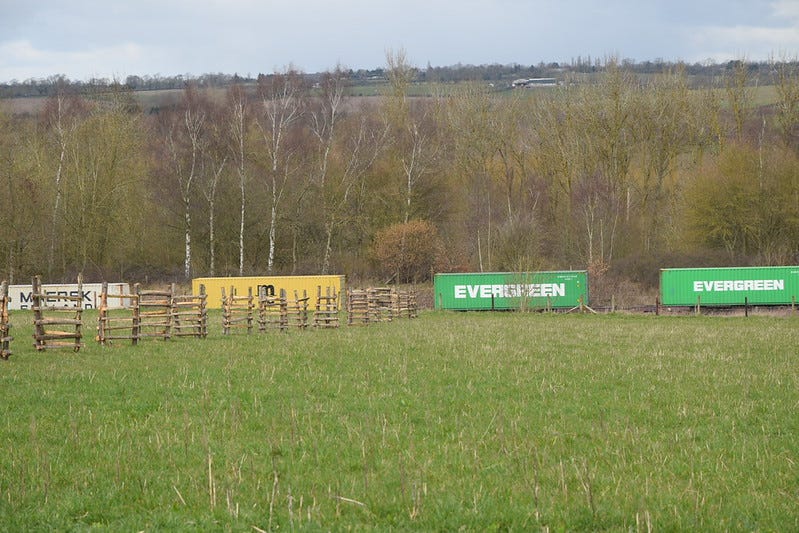
The grass is always greener on the other side, and at the college whenever I headed out to the field to do some tractor work my office colleagues would say “it’s alright for you going off to sit on your tractor in the sun all afternoon”, conversely when I needed to focus on paperwork the outdoors teams would tease “that’s right back you go to your nice warm office”. They were of course both right, especially when I managed to time my moves to be outside as the sun emerged and inside when it was cold and wet. If the grass is always greener in the other field then why not have two fields, then you can move to the greener one whenever you feel like it.
There’s something quietly tragic about a once state of the college sliding into decline, not because the staff stopped caring, but because we as a country stopped treating horticulture and growing skills as something worth investing in.
I also loved the point about mixed work patterns. The tractor in the sun and the warm office are both real, and the ability to move between them is not just a perk, it’s a kind of resilience. It spreads physical strain, mental load, and decision fatigue, and it makes the work feel more human. No wonder the SA found organic farmers reporting more optimism if the systems are more mixed and more social.
“If the grass is always greener in the other field then why not have two fields” is such a good line. It feels like a practical argument for diversification and for designing work that people can actually stay in, not just survive.